Discover the Extensive Services Delivered by CGCs in the Building Sector.
Building contractors are crucial in the construction industry, providing various services that cover every stage of a project. Their expertise spans from initial design and planning to effective project management and meeting safety rules. Hickory top rated Commercial General Contractor. Through the coordination of subcontractors and maintaining high quality, they work to fulfill both budgetary constraints and timelines. This detailed strategy brings up key points about the impact of their strategies on project success and client satisfaction
Defining the Function of General Building Contractors
Although the construction industry encompasses a number of functions, commercial general contractors (CGCs) are fundamentally important in managing and controlling construction projects. Their responsibility is to guarantee that projects stick to design specifications, budgets, and deadlines. CGCs manage diverse subcontractors, like carpenters, plumbers, and electricians, to guarantee that all aspects of the construction process run smoothly.
Additionally, they are tasked with obtaining required permits and making certain they comply with local building codes and regulations. This function necessitates a profound knowledge of construction practices, as well as effective leadership and communication skills. CGCs serve as the main contact for clients, resolving problems and providing updates throughout the project’s duration. Their skill in overcoming obstacles while maintaining quality standards is crucial for the successful completion of commercial construction endeavors, ultimately contributing to the efficiency and effectiveness of the industry as a whole.
Project Management and Coordination
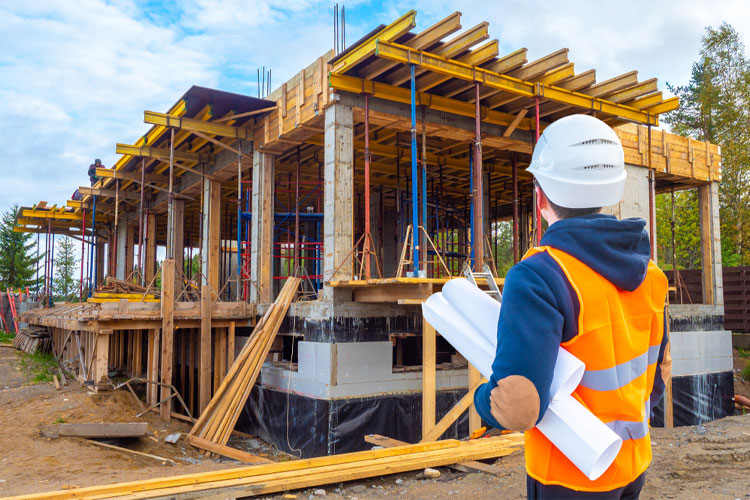
Project management and coordination are essential elements for the success of construction projects managed by commercial general contractors. Good communication practices, resource allocation techniques, and deadline management practices are crucial in making sure projects are delivered on time and within financial limits - Hickory top rated Commercial General Contractor. By perfecting these components, contractors can improve teamwork among stakeholders and optimize project outcomes
Strong Communication Methods
Strong communication techniques play an essential role in the success of construction projects, as they guarantee that all stakeholders are on the same page and updated throughout the process. Transparent communication methods foster collaboration among architects, engineers, subcontractors, and clients, ensuring that everyone understands project requirements and schedules. Scheduled check-ins and status updates help identify potential issues early, allowing for timely problem-solving. Employing contemporary communication methods, such as project management software and mobile applications, improves the exchange of information and keeps everyone connected. Moreover, fostering a spirit of frank conversation fosters responses and champions visibility, which can lead to improved decision-making. In the end, strong communication methods lead to easier project delivery and greater contentment among stakeholders in the construction industry.
Resource Allocation Techniques
Methods for assigning resources are crucial for achieving successful project implementation, ensuring that materials, labor, and equipment are utilized efficiently. Successful resource management necessitates assessing project needs and coordinating them with accessible assets, which assists in cutting down waste and improving efficiency. General contractors employ various strategies, for example, ordering tasks by criticality and asset readiness, to allocate resources effectively. Furthermore, utilizing digital tools to monitor resource consumption strengthens planning and agility. Regular evaluations of resource allocation allow for the detection of potential hold-ups and places needing refinement, allowing for timely adjustments. By utilizing these strategies, construction firms can preserve project velocity, manage expenses, and in the end reach project targets according to the defined limits.
Techniques for Timeline Adherence
Handling project durations requires precise planning and organization to guarantee that each phase of the project progresses smoothly. Construction firms implement various deadline management strategies to enhance efficiency and secure timely project completion. These strategies encompass preparing specific schedules, using scheduling applications, and conducting regular progress assessments. Via determining unambiguous deadlines and markers, firms can successfully oversee development and resolve potential setbacks immediately. Moreover, they define communication procedures for subs, providers, and clients to ease communication movement and prevent miscommunications. Proactive risk management strategies additionally assist in sticking to the timeline, allowing for adjustments in response to unforeseen challenges. Ultimately, effective timeline management is essential for accomplishing project aims and maintaining client satisfaction in the competitive construction industry.
Services for Design and Preparation
Pre-construction and design services are key aspects of the construction process, emphasizing efficient concept development approaches. Such strategies help ensure that project goals align with practical execution, as architectural coordination efforts facilitate seamless collaboration among stakeholders. By prioritizing these elements, commercial general contractors can enhance project outcomes and explore this topic efficiency.
Strategies for Concept Development
The success of a construction project often often copyrights on its initial vision, successful concept development approaches are crucial for transforming ideas into actionable plans. These approaches utilize a systematic approach that includes in-depth research, involving stakeholders, and feasibility assessments. By collaborating with clients and stakeholders, commercial general contractors can pinpoint project objectives and constraints in the initial stages. This collaboration fosters innovation while guaranteeing adherence to budgetary constraints and regulatory needs. In addition, prototypes and visualizations are utilized to refine concepts, making adjustments possible before substantial capital is committed. In the end, successful concept development strategies do more than just streamline the transition from vision to reality but also mitigate potential challenges, setting the stage for a successful construction project.
Architectural Coordination Processes
Effective architectural coordination processes are necessary for the successful execution of construction projects. These efforts require careful collaboration among architects, engineers, and contractors to guarantee that design intentions are accurately translated into tangible structures. Commercial general contractors are instrumental in improving communication and aligning project goals. They manage the integration of various design elements, handling potential issues during the initial planning stages. This forward-thinking strategy minimizes expensive delays and rework, leading to a smoother workflow. In addition, effective architectural coordination ensures compliance with local regulations and building codes, improving project viability. By simplifying design revisions and maximizing resource use, these processes ultimately contribute to the overall efficiency and quality of construction outcomes, delivering projects that meet client expectations and standards.
Budget Management and Financial Control
Financial control and budgeting are critical components of successful construction projects, guaranteeing that resources are allocated efficiently and expenditures are kept within established boundaries. CGPs are fundamental in this aspect by meticulously developing budgets that reflect the full scope of the project, accounting for materials, workforce, and potential issues. Their expertise allows for reliable projections, which is key to preventing budget excesses and guaranteeing financial viability.
Moreover, general contractors perform careful budget tracking throughout the project lifecycle. Spending is tracked against the allocated funds, modifying resource distribution when needed to accommodate changes in project scope or surprise expenditures. This active oversight protects the fiscal well-being of the project but also fosters transparent communication with stakeholders about the budget's standing. By employing detailed reports and frequent status checks, general contractors ensure everyone is kept up-to-date, improving reliance and teamwork throughout the construction process.
Quality Control and Safety Compliance

Adherence to quality and safety standards are essential requirements in the construction industry, making certain projects adhere to defined benchmarks while safeguarding the welfare and safety of all workers involved. Commercial general contractors implement strict quality assurance protocols by conducting regular inspections, testing materials, and ensuring standards are met. Such measures assist in spotting problems soon, reducing costly rework and delays.
Safety compliance is equally critical; contractors follow OSHA guidelines and standard industry procedures to maintain a protected workplace. This encompasses supplying necessary education, required safety gear, and upholding transparent reporting regarding safety protocols.
Post-Construction Services and Support
Once construction is completed, commercial general contractors offer necessary follow-up services and assistance to ensure the project still satisfies client requirements. Such offerings usually feature detailed checks to check that standards are met and local regulations. Warranty issues might also be managed by the contractor, resolving problems that occur after the project handover.
In addition, contractors supply upkeep assistance, aiding clients in preserving the structure to prolong its lifespan and guarantee performance. Instructional classes for personnel regarding systems and machinery are often part of the package to enhance operational efficiency.
Moreover, general contractors often help with project closeout documentation, making certain necessary data is compiled and ready for consultation. This sustained help establishes a lasting relationship between contractors and clients, fostering trust and satisfaction while ensuring transparency in the construction process. All things considered, post-completion support play a vital role in the project's enduring achievement.
Frequently Asked Questions
Which Kinds of Developments Do General Contractors Generally Oversee?
CGTs commonly oversee a wide array of jobs, such as office towers, commercial outlets, manufacturing plants, healthcare centers, learning centers, and housing developments, making sure every job adheres to industry standards and owner demands efficiently.
How Do I Choose the Best CGT for My Project?
For selecting the ideal CGT, one should evaluate their track record, ask for testimonials, evaluate their fiscal health, review past projects, and mandate open discussion regarding timelines and budgets for effective project management.
What Are the Common Challenges That Arise During Development?

Typical difficulties encountered during building work are cost escalations, scheduling delays, lack of skilled workers, regulatory compliance, unforeseen ground issues, and breakdowns in dialogue between involved parties. Such difficulties typically impede project execution and can lead to increased costs and longer durations.
How Do Firms Maintain Conformity To Area Safety Standards?
Firms maintain conformity with local building codes by thoroughly reviewing regulations, carrying out routine examinations, collaborating with local authorities, and preserving comprehensive paperwork throughout the construction process to lessen dangers and meet safety requirements.
What Warranties or Guarantees Do Builders Typically Offer Following Handover?
Firms commonly issue warranties that cover the quality of the build, lasting from one to ten years. Warranties usually entail remediation of issues, ensuring clients receive verified quality and confidence post-project completion.